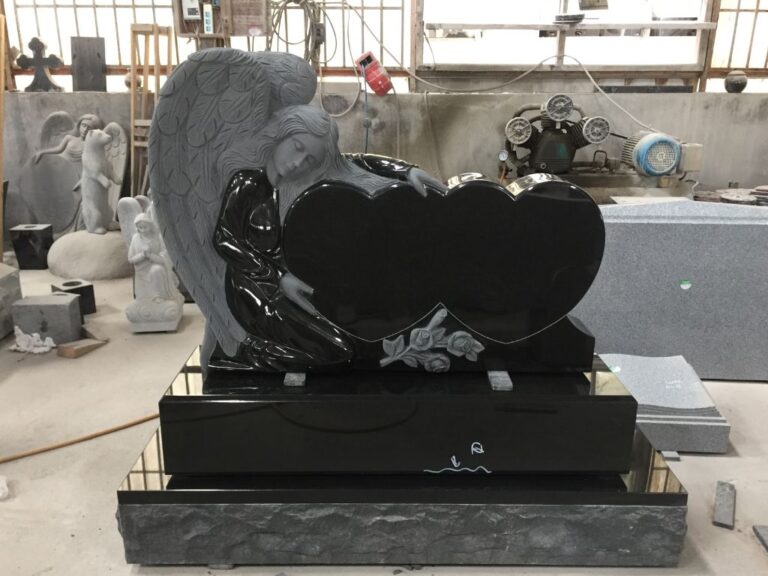


For a granite monument container order, set the container target and identify the products that must ship before you freeze the quantities. Ask the supplier for a load proposal that shows complete components, packing assumptions, per-container weights, and any deferred lines. Approve one dated revision before booking.
A monument dealer often starts with the styles and quantities they want to replenish. The loading check comes later. When the first list needs several containers, the dealer has to cut quantities and styles, check the mix again, and return to the supplier for another round of calls.
We have seen that sequence in StoneMemo’s conversations with dealers. The wasted work begins when the product mix is treated as final before anyone checks whether it produces a practical shipment.
1. Set the first-shipment target
Tell the supplier whether you are aiming for one container, several containers, or a proposal that compares the options. If the container type is undecided, ask for a recommendation based on the stone, packing, route, and receiving conditions. A target is a planning constraint; it is not confirmation that the list will fit.
Give the delivery city, state, and ZIP at this stage. Identify whether the quotation should end at a port or continue to your commercial yard, and describe the unloading equipment and access. The inland leg can change the workable load.
Granite can reach a weight constraint before the available space is filled. Do not use container volume alone to decide how much to order. Maersk’s U.S. inland guidance distinguishes equipment configurations and notes that payload varies with transport mode and state restrictions. The FHWA bridge-weight guidance explains how vehicle gross weight and axle configuration affect road transport. A road gross-weight limit is not the amount of stone that can be loaded into a container.
Ask the supplier and transport provider to set a planning allowance for the actual shipment, including crates, cushioning, pallets, and securing materials. A general figure such as “tons per container” does not confirm a particular order.
2. Mark which quantities can change
A restock list with every line marked equally important leaves the supplier guessing when the first loading proposal exceeds the target. Add a priority and an acceptable quantity range to each line.
| Priority | Instruction for the RFQ |
|---|---|
| Must ship now | State the minimum quantity needed in this shipment. Flag components that must remain together. |
| Quantity flexible | Give the preferred quantity and lowest acceptable quantity. Require approval before the supplier changes it. |
| Can wait | Identify styles or quantities that may move to a later order. Keep them on a separate deferred list. |
Choose the priorities from sales, stock commitments, and showroom needs. The supplier can test a load; the supplier should not decide which products matter most to your business. If a must-have quantity cannot fit, ask for the conflict to be returned for your decision.
Keep substitutions separate from quantity changes. Permission to reduce a style from the preferred quantity to the stated minimum does not authorize a different granite, thickness, finish, or artwork scope.
3. Define every component in the quoted unit
A loading estimate needs complete components, not just product names. For an upright monument, list the die and base separately. Include any sub-base, vase, or accessory.
As a counting example, 20 sets of one die plus one base means 20 dies and 20 bases. It does not mean 20 pieces in total. This example is not a container capacity, minimum order, or recommended restock mix.
Give each variation its own line reference and record:
- Product or drawing reference, including the current revision.
- Dimensions, units, and named dimension order for every component.
- Granite and finish on each relevant surface.
- Pieces per set, preferred quantity, and minimum acceptable quantity.
- Factory work to be completed and work your shop will complete locally.
For unlettered stock, state which decoration, holes, or other work is still required. “Blank” alone does not settle the scope. Keep these details attached to the same item reference used in the quotation.
4. Ask for a feasible mix before freezing the PO
Ask for a first-shipment proposal and a separate list of quantities left out. The proposal should identify the container type and count, the items assigned to each container, estimated cargo weight including packing for each container, and assumptions still awaiting confirmation.
Weight is one check. Package dimensions, component protection, load distribution, and securing also require review. A calculation that falls below a weight allowance does not by itself prove that a load is practical or ready to book.
If the proposal needs another container, the buyer can choose among three concrete options: approve the additional shipment, reduce flexible quantities, or defer lower-priority lines. Ask for the revised mix and transport scope to be priced together. Removing pieces changes the order, but it may not reduce every transport charge in proportion.
Keep one dated revision of the agreed list. After a phone call, put each quantity change into that revision so that the quotation, packing plan, and purchase order do not describe different shipments.
A restock brief to send with the product list
Use these fields alongside the item details. Mark an undecided item as a question instead of leaving it implied.
| Field | Buyer input |
|---|---|
| Business and purpose | Company; yard restock, showroom stock, or customer commitments. |
| First-shipment target | Target container count, or a request to compare options; container type if already discussed. |
| Delivery and receiving | City, state, ZIP; port or final destination; access and unloading arrangements. |
| Priorities | Must-ship quantities, flexible ranges, and lines that can wait. |
| Alternatives | Whether substitutions are allowed. Require separate pricing and approval. |
| Timing | Required arrival date, if any; ask which items require production and which dates are estimates. |
| Requested response | Proposed mix by container, packing and weight assumptions, deferred quantities, and a quotation for that revision. |
Compare quotations for the same shipment
Once the mix is feasible, compare the same components, quantities, factory work, and delivery scope. Check the currency, packing, transport exclusions, payment terms, and quote validity. “Shipping included” still needs a named destination and a clear division of responsibilities.
Availability and production timing must match the selected quantities. A catalogue design is not confirmation of stock, and production completion is not the arrival date at the dealer’s yard.
StoneMemo supplies monument professionals rather than individual families. Send your restock list for a trade quote with the first-shipment target, destination, and must-have items. We can then work through a load proposal before you spend time finalizing quantities that may need to be cut again.